Currently Empty: ₨ 0
Men Clothes: Complete Guide to Style, Quality & Trends in Pakistan
The world of men clothes has evolved dramatically over the last decade. What was once limited to basic shalwar kameez and formal suits has transformed into a diverse, trend-driven, and quality-focused fashion ecosystem. Today, Pakistani men are more style-aware, fabric-conscious, and brand-savvy than ever before.
From breathable summer fabrics to premium winter layering, the right men clothes are not just about looking good — they influence confidence, comfort, and even professional presence. Whether you’re dressing for a corporate meeting in Karachi, a wedding in Lahore, or a casual meetup in Islamabad, your wardrobe speaks before you do.
This comprehensive guide will help you understand what men clothes truly encompass, why they matter, how to choose them wisely, and what trends are shaping the future of men’s fashion in Pakistan.
What Are Men Clothes?
At its core, men clothes refer to garments designed specifically for men across various occasions, climates, and style preferences. However, in today’s fashion landscape, it goes far beyond basic functionality.
Modern men clothes include:
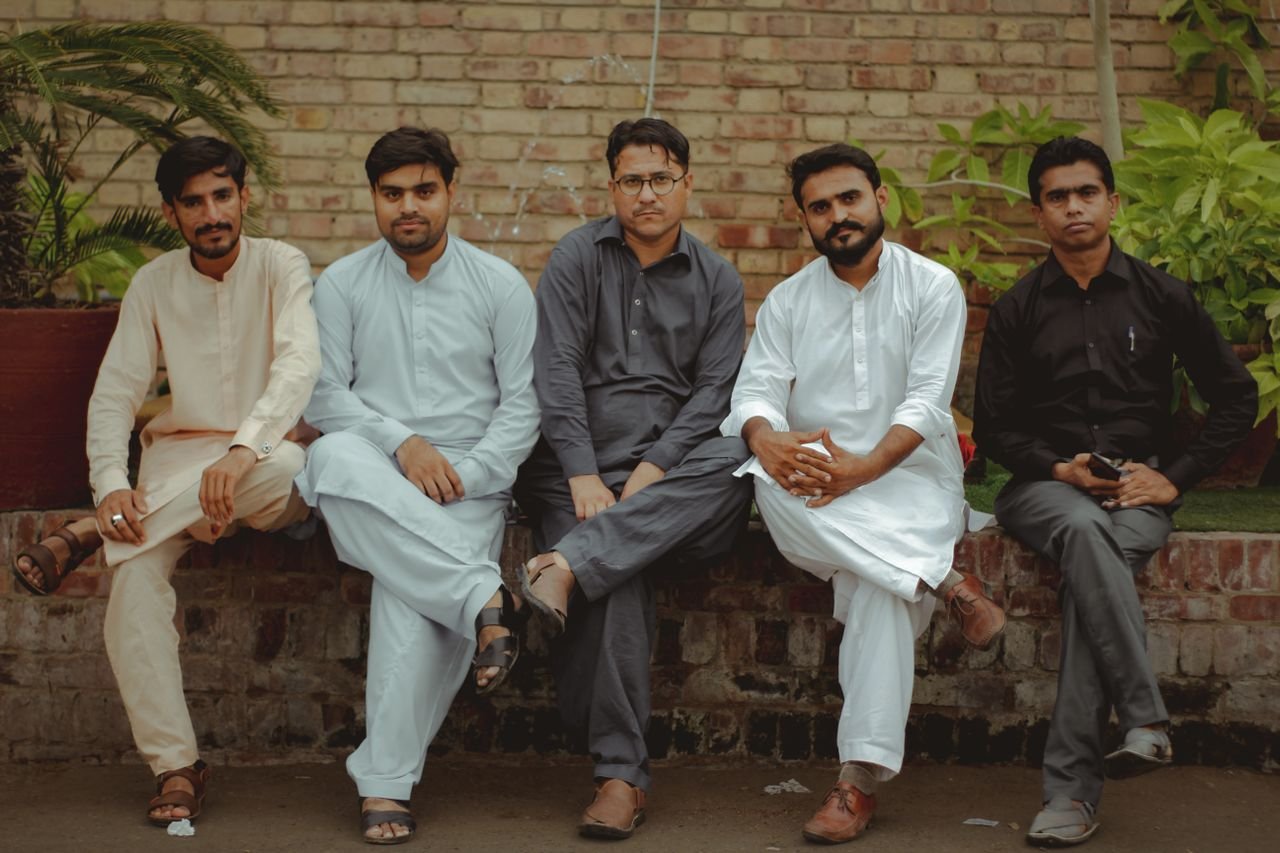
- Traditional wear (shalwar kameez, waistcoats)
- Western wear (shirts, trousers, jeans)
- Formal wear (suits, blazers)
- Casual wear (t-shirts, polos)
- Activewear and athleisure
- Smart-casual and business-casual ensembles
The industry now integrates advanced textile technology, tailored fits, sustainable production methods, and fast-changing fashion cycles. This shift reflects evolving consumer awareness and global influence.
Why Men Clothes Matter More Than Ever
Clothing directly impacts perception, professionalism, and personal branding. Research in behavioral psychology confirms that attire affects both self-confidence and how others evaluate competence.
In Pakistan’s growing corporate and entrepreneurial landscape, the right men clothes can:
- Enhance first impressions
- Reflect cultural awareness
- Align with modern professional standards
- Improve comfort in extreme climates
- Support lifestyle versatility
For example, breathable lawn-blend kurtas reduce discomfort in peak summer heat, while structured blazers elevate presence in business settings. Clothing is no longer optional styling — it is strategic positioning.
Core Categories of Modern Men Clothes
Understanding wardrobe categories helps build a balanced collection rather than impulse purchases.
1. Traditional Wear
Shalwar kameez remains dominant in Pakistan. Modern cuts now feature tapered shalwars, minimal embroidery, and structured collars for a contemporary aesthetic.
Waistcoats have evolved into statement layering pieces, particularly for festive and wedding occasions.
2. Formal Wear
Formal men clothes include tailored suits, blazers, dress shirts, and formal trousers. Slim-fit and tailored-fit silhouettes dominate current trends.
Fabric choices like tropical wool blends and wrinkle-resistant cotton enhance practicality.
3. Smart Casual
This hybrid category blends structure with comfort. Think chinos paired with polos, or casual blazers over minimalist shirts. It is increasingly popular among young professionals.
4. Casual & Streetwear
Graphic tees, oversized silhouettes, cargo pants, and relaxed fits define the modern casual segment. Global fashion influence is strong in urban centers like Karachi and Lahore.
5. Activewear & Athleisure
Moisture-wicking fabrics, stretch blends, and performance-focused tailoring now define premium athleisure. Men increasingly demand gym-ready yet socially acceptable outfits.
Understanding Fabrics and Climate Suitability
Pakistan’s climate demands intelligent fabric selection. Poor fabric choice leads to discomfort, sweating, and reduced garment lifespan.
Summer Fabrics
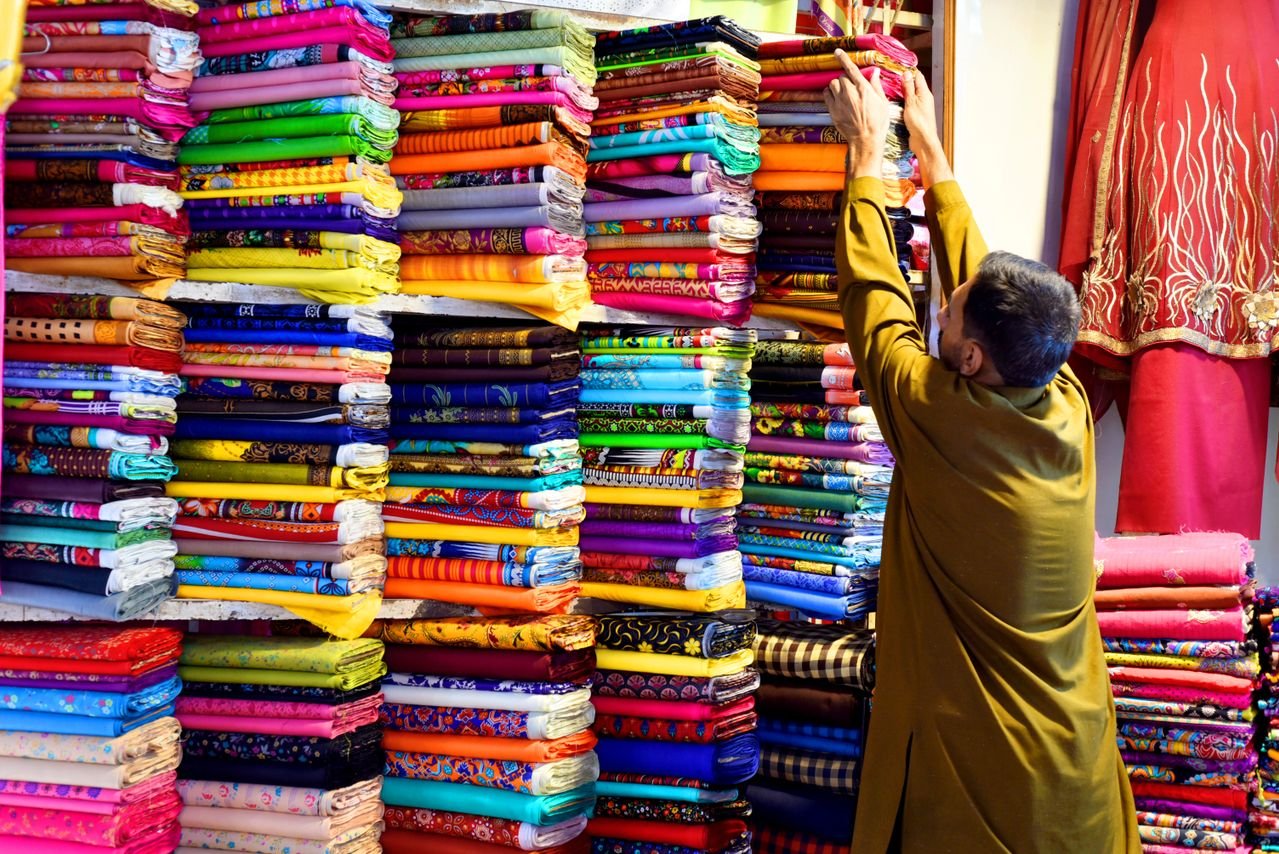
Lightweight cotton, lawn blends, and breathable linen dominate summer collections. These fabrics allow airflow and reduce heat retention.
Winter Fabrics
Khaddar, wool blends, tweed, and fleece-lined garments are common during colder months in northern regions.
Transitional Fabrics
Poly-cotton blends and mid-weight knits support spring and autumn layering.
High-quality men clothes prioritize durability, breathability, and wrinkle resistance. Fabric GSM (grams per square meter) is a technical indicator professionals consider when assessing garment weight and density.
Fit, Tailoring & Body Types
Fit determines whether clothing looks premium or average. Even high-end garments lose impact when poorly fitted.
Three dominant fits in modern men clothes include:
- Slim fit
- Tailored fit
- Relaxed fit
Men with broader frames benefit from structured tailoring, while lean builds often prefer slim silhouettes. Custom tailoring remains highly valued in Pakistan, especially for wedding and formal attire.
Precision elements like shoulder alignment, sleeve break, trouser taper, and collar structure differentiate premium garments from mass-market options.
Seasonal Wardrobe Strategy in Pakistan
A smart wardrobe rotates strategically across seasons.
Instead of overloading your closet, consider:
- 3–4 summer kurtas in breathable cotton
- 2 structured waistcoats for layering
- 2 formal suits (navy and charcoal)
- 3–5 versatile shirts for office wear
- Neutral chinos and dark denim for casual use
This streamlined approach reduces clutter and improves outfit coordination.
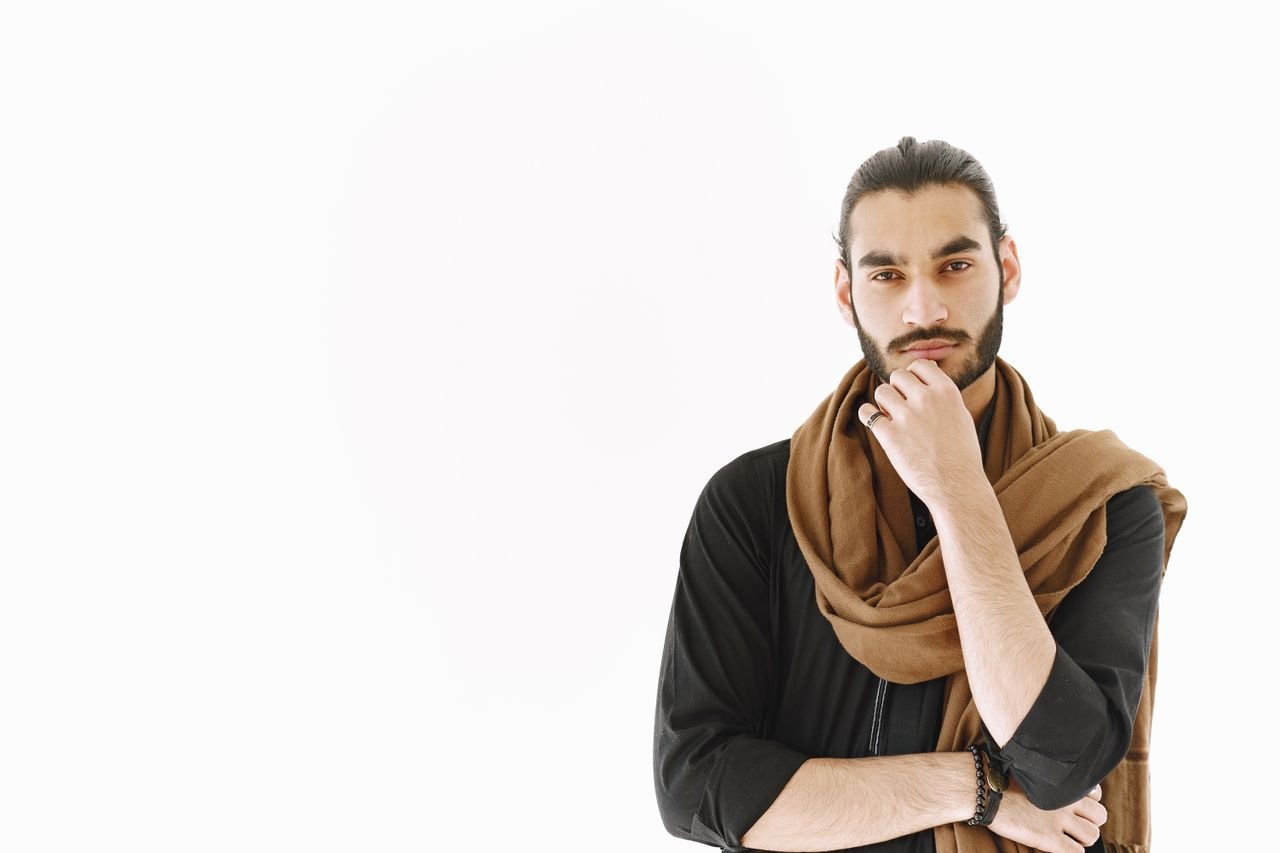
Layering is increasingly trending in winter — combining sweaters, overcoats, and scarves for both function and style.
Current Trends in Men Clothes
Fashion cycles move rapidly, influenced by global fashion weeks and social media.
Here are two key shifts shaping modern men clothes:
- Sustainable fabrics and eco-conscious production are gaining momentum.
- Neutral palettes like beige, olive, charcoal, and earth tones dominate collections.
Oversized fits and minimalist branding continue to trend among Gen Z consumers. Meanwhile, millennials prefer refined smart-casual looks suitable for work and social events.
Textured fabrics such as ribbed knits and structured cotton blends are also becoming mainstream.
Smart Buying Guide: How to Invest in Quality
When purchasing men clothes, focus on long-term value rather than price tags.
Evaluate garments based on:
- Fabric composition and stitching quality
- Seam finishing and thread density
- Fit consistency across sizes
- Brand credibility and reviews
- Return policies and transparency
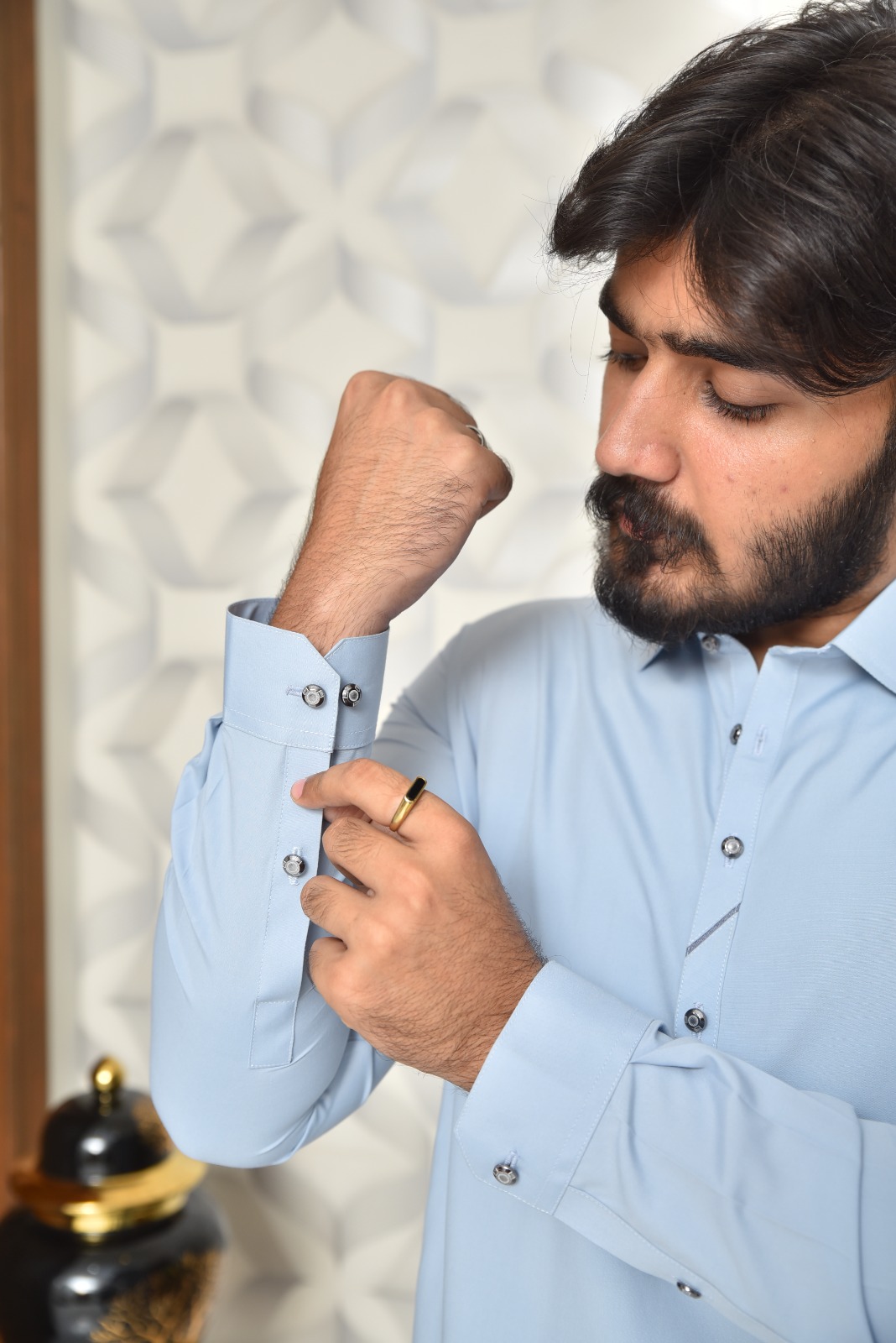
For example, reinforced stitching around collars and cuffs indicates durability. Double-stitched hems last longer than single-stitched alternatives.
Avoid buying purely trend-driven pieces that lose relevance quickly. Instead, build a capsule wardrobe supported by timeless staples.
Common Mistakes to Avoid
Many men compromise style and longevity due to avoidable errors.
Buying oversized garments to “grow into them” often results in unflattering silhouettes. Ignoring climate suitability leads to discomfort. Over-accessorizing can also dilute elegance.
Another frequent mistake is neglecting garment care. Proper washing instructions significantly extend lifespan.
Investing in quality hangers, avoiding over-washing, and storing winter garments in breathable covers prevents fabric damage.
Frequently Asked Questions About Men Clothes
1. What are the most essential men clothes items every Pakistani man should own?
Every wardrobe should include a white dress shirt, navy suit, quality shalwar kameez, dark denim jeans, chinos, and a structured blazer.
2. How can I identify high-quality men clothes?
Check fabric density, stitching precision, button attachment strength, and inner lining quality. Premium garments feel structured yet comfortable.
3. Are slim fits still trending in 2026?
Yes, but they are transitioning into relaxed tailored fits rather than extremely tight silhouettes.
4. How often should I update my wardrobe?
Core staples can last 3–5 years with proper care. Trend-based items can be refreshed annually.
5. Is custom tailoring better than ready-to-wear?
For formal events, custom tailoring offers superior fit. For everyday wear, premium ready-to-wear collections are sufficient.
The Future of Men Clothes
The future of men clothes is driven by sustainability, digital shopping innovation, and personalization. AI-powered sizing tools, eco-friendly dyes, and transparent supply chains are reshaping consumer expectations.
Pakistani brands are increasingly competing globally through e-commerce platforms, offering export-quality garments at competitive pricing.
Men today are investing more intentionally, prioritizing quality, climate adaptability, and versatile styling.
Conclusion
The evolution of men clothes reflects broader cultural and lifestyle shifts in Pakistan. Modern men demand comfort, quality, versatility, and trend awareness — all without compromising cultural identity.
Understanding fabrics, fit, seasonal strategy, and emerging trends allows you to build a wardrobe that performs across occasions. Whether you prefer traditional attire or contemporary western wear, informed decisions lead to long-term value.
As fashion continues evolving, the smartest approach is intentional investment in timeless essentials, supported by selective trend adoption.
Explore more fashion insights and styling guides at https://znzakreations.com/ and elevate your wardrobe with confidence and clarity.